Understanding Car Dashboard Warning Lights
Car dashboard warning lights immediately alert drivers when vehicle systems activate or when potential problems occur. In fact, these lights play a crucial role in keeping your vehicle safe and helping you identify issues early. Although the symbols may vary by make and model, the following are some of the most common dashboard warning lights and what they mean.
Check Engine Light (CEL):
This light signals a problem with the engine or emissions system. In many cases, it may indicate anything from a minor sensor issue to a more serious engine malfunction. Therefore, you should diagnose the problem as soon as possible.
Battery Light:
This light warns that the vehicle’s charging system is not functioning properly, often due to a faulty battery, alternator, or wiring. As a result, the battery may stop charging. Consequently, you should check the charging system immediately.
Oil Pressure Light:
This light indicates low engine oil pressure. Typically, this occurs because of low oil levels, a failing oil pump, or internal engine problems. If ignored, it can quickly lead to severe engine damage.
Brake System Warning Light:
This light alerts you to low brake fluid, an engaged parking brake, or a problem within the braking system. For this reason, you should inspect the brake system promptly to maintain safe braking performance.
ABS (Anti-lock Braking System) Light:
This light indicates that the anti-lock braking system is not functioning correctly. Although normal braking may still work, the ABS feature may not activate during sudden stops. Therefore, it is important to have the system checked.
Tire Pressure Monitoring System (TPMS) Light:
This light warns that one or more tires have low air pressure. As a result, your vehicle may experience reduced handling, lower fuel efficiency, and increased tire wear. Thus, you should check and inflate your tires as needed.
Airbag Warning Light:
This light signals a problem with the airbag system. Consequently, the airbags may fail to deploy during a collision. Because of this safety risk, you should have the system inspected right away.
Coolant Temperature Warning Light:
This light alerts you that the engine temperature is too high. In other words, the engine is overheating. If this happens, stop the vehicle immediately to prevent serious engine damage.
Transmission Temperature Light:
This light warns that the transmission fluid temperature has become too high. Over time, overheating transmission fluid can damage internal components. Therefore, you should allow the vehicle to cool and check the transmission system.
Power Steering Warning Light:
This light indicates a malfunction in the power steering system. As a result, steering may become more difficult. In this situation, you should inspect the system to ensure safe driving.
ESP/ESC Light:
This light signals a problem with the electronic stability control system. Normally, this system helps maintain traction and vehicle stability. However, if the light stays on, the system may not function properly.
Fuel Warning Light:
This light tells you that the fuel level is low. Consequently, you should refuel soon to avoid running out of fuel.
Glow Plug Light (Diesel Engines):
This light shows that the glow plugs are heating the engine during cold starts. Once the light turns off, you can safely start the engine.
Cruise Control Light:
This light indicates that cruise control is currently engaged. In other words, the vehicle is maintaining a constant speed automatically.
Seat Belt Warning Light:
This light reminds drivers and passengers to fasten their seat belts. Most importantly, wearing a seat belt significantly improves safety in the event of an accident.
Lane Departure Warning Light:
This light alerts you when your vehicle drifts out of its lane without signaling. Therefore, it helps drivers maintain proper lane positioning and avoid accidents.
Adaptive Headlight System Warning Light:
This light warns of a malfunction in the adaptive headlight system. Normally, these headlights adjust their direction based on steering input. However, if the system fails, nighttime visibility may decrease.
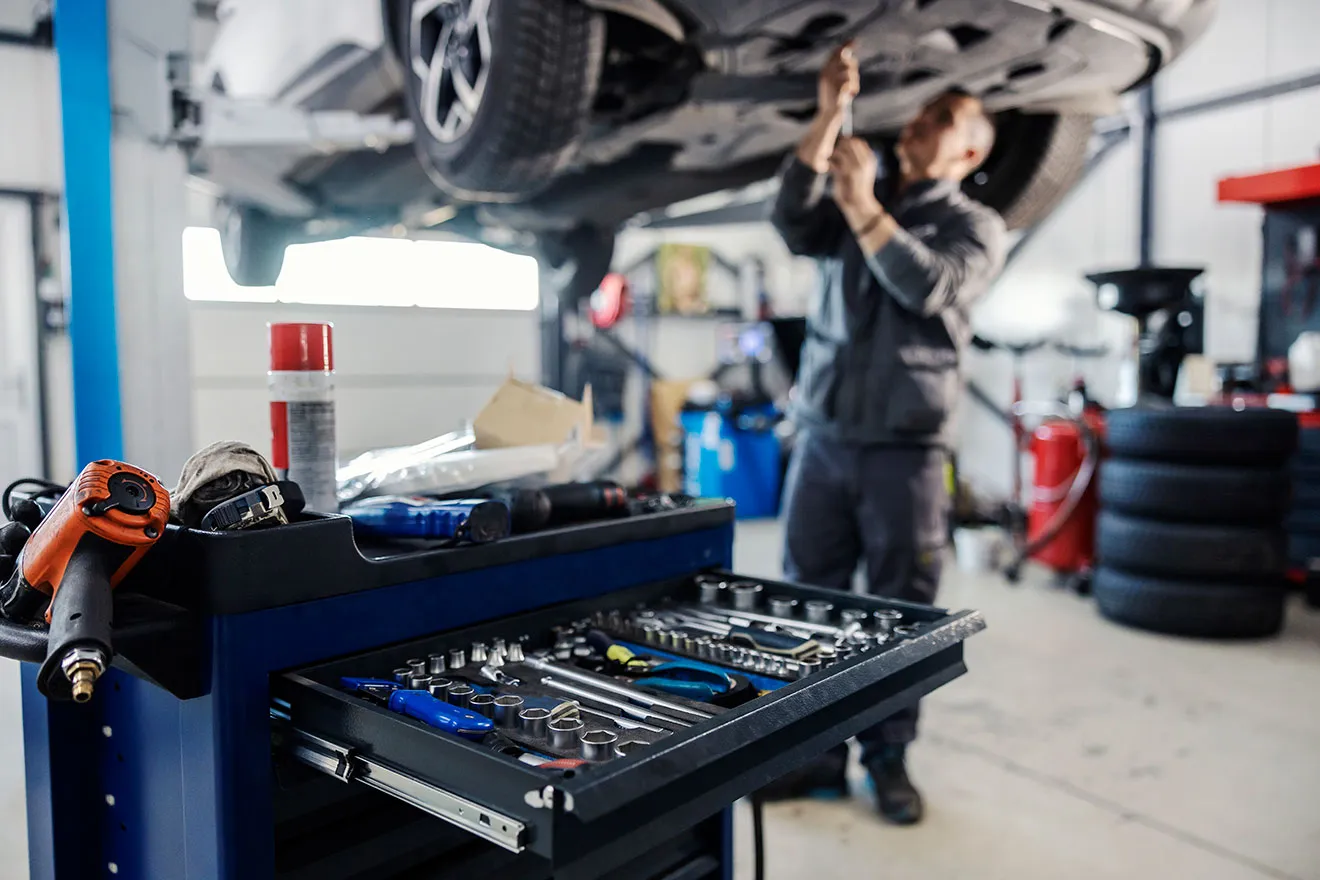
Ultimately, you should always consult your vehicle’s owner’s manual to understand the exact warning symbols for your car. Most importantly, never ignore dashboard warning lights because they can signal serious mechanical or safety issues. Whenever a warning light appears, have a qualified mechanic inspect your vehicle promptly to prevent further damage and ensure safe operation.