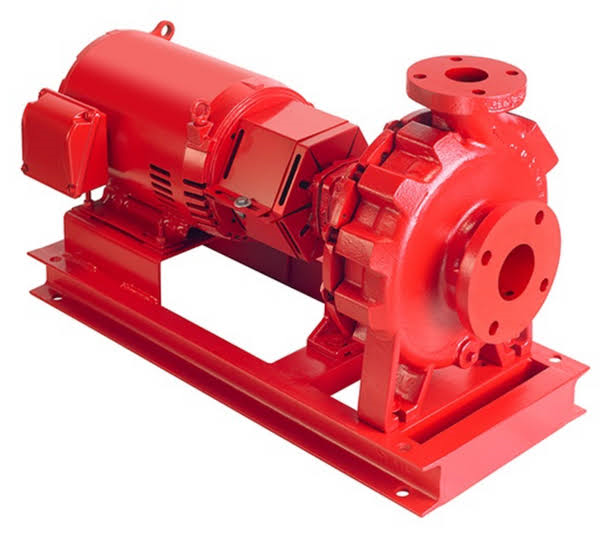
Description
-
-
Focus Keyword:
-
Meta Description: Armstrong 4030 Series horizontal base mounted pump. 50 HP, 4×3-10 size for heavy-duty industrial applications. Cast iron construction, high-capacity.
-
Tag Keywords: Armstrong pump, 4030 series, base mounted pump, horizontal pump, 50 HP pump, process pump, industrial pump, 4×3-10 pump, heavy-duty pump
Product Overview
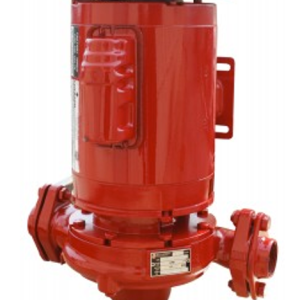
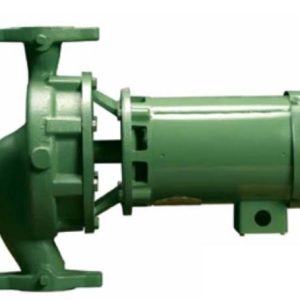
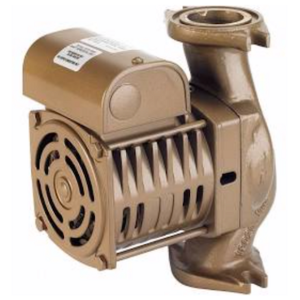
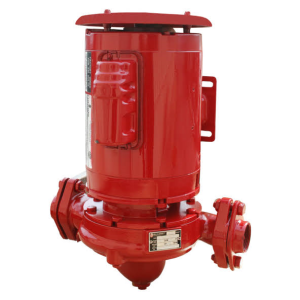
The Armstrong 4030 Series represents heavy-duty industrial pumping capability with this horizontal, base-mounted centrifugal pump designed for demanding commercial and industrial applications. The 4×3-10 model with 50 HP motor is engineered to handle high-capacity fluid transfer in HVAC systems, industrial processes, water supply, and circulation services where reliability and continuous operation are critical.
Featuring a robust cast iron construction with dynamically balanced components, this pump is built for long service life in challenging environments. The base-mounted design allows for flexible coupling between the pump and motor, facilitating easier maintenance and alignment compared to close-coupled designs. With its 4-inch discharge and 3-inch suction connections, this pump delivers substantial flow rates capable of serving large buildings, industrial facilities, and municipal applications.
When your project demands industrial-grade performance, reliable operation, and service-friendly design, the Armstrong 4030 Series delivers the power and durability needed for the most demanding pumping challenges.
📚 Technical Resources & Guides
Technical Specifications
| Specification Category | Detail |
|---|---|
| Series | Armstrong 4030 |
| Pump Size | 4 x 3-10 |
| Motor HP | 50 HP |
| Speed | 1800 RPM (Standard) |
| Voltage/Phase | 460V/3-Phase (or as specified) |
| Suction Size | 4 inches |
| Discharge Size | 3 inches |
| Maximum Working Pressure | 175 PSI / 12 Bar |
| Maximum Temperature | 250°F / 121°C |
| Construction – Casing | Cast Iron |
| Construction – Impeller | Bronze or Cast Iron |
| Shaft Seal | Mechanical Seal (Standard) |
| Bearing Type | Heavy-Duty Roller Bearings |
| Mounting | Horizontal Base Mounted |
What’s Included (Typical)
| Included | Not Included / Required Separately |
|---|---|
| ✓ Pump Casing with Impeller | ✗ Motor (Specified separately) |
| ✓ Baseplate | ✗ Coupling Guard |
| ✓ Shaft and Bearings | ✗ Isolation Valves |
| ✓ Mechanical Seal | ✗ Suction Strainer |
| ✗ Alignment Services |
🛠️ Recommended for a Complete Installation
-
Coupling: Falk Steelflex Coupling
-
Isolation: 4″ & 3″ Flanged Isolation Valves
Comparison Table: 4030 Series vs. Alternative Pumps
| Feature | Armstrong 4030 Base Mounted | Close-Coupled Pump | Vertical Turbine Pump |
|---|---|---|---|
| Application | Industrial, High-Capacity | General Purpose, Space-Constrained | Deep Well, Sump Applications |
| Maintenance | Excellent (Easy motor replacement) | Difficult (Full unit replacement) | Moderate |
| Footprint | Larger | Compact | Vertical Space |
| Flexibility | High (Various motor options) | Limited | Limited |
| Cost | Higher Initial Cost | Lower Initial Cost | Variable |
| Ideal For | Large Systems, Continuous Duty | Smaller Systems, Limited Space | Vertical Applications |
Frequently Asked Questions (FAQs)
Q1: What does the “4 x 3-10” designation mean?
A: This standard pump sizing notation indicates:
-
4 = Suction connection size (4 inches)
-
3 = Discharge connection size (3 inches)
-
10 = Largest impeller diameter (approx. 10 inches)
Q2: What are the advantages of a base-mounted pump vs. close-coupled?
A: Key advantages include:
-
Easy maintenance – Motor can be serviced/replaced without disturbing the pump
-
Better heat dissipation – Separation between pump and motor
-
Flexible motor selection – Various motor manufacturers can be used
-
Vibration isolation – Baseplate helps dampen vibrations
Q3: What type of coupling is recommended for this pump?
A: Flexible couplings such as gear-type or grid couplings are typically used. The specific coupling selection depends on:
-
Torque requirements
-
Misalignment capabilities
-
Maintenance preferences
-
Environmental conditions
Q4: What maintenance does this pump require?
A: Regular maintenance includes:
-
Bearing lubrication per manufacturer schedule
-
Mechanical seal inspection/replacement
-
Coupling alignment checks
-
Vibration monitoring
-
Performance monitoring
Q5: How is proper alignment achieved with base-mounted pumps?
A: Proper alignment requires:
-
Reverse indicator method for most accurate results
-
Laser alignment tools for precision
-
Baseplate preparation and grouting
-
Thermal growth considerations for hot service applications
Internal Link: Learn proper techniques in our Pump Alignment Best Practices Guide.
Pros and Cons
| Pros | Cons |
|---|---|
| Easy Maintenance: Motor can be serviced separately from pump | Larger Footprint: Requires more space than close-coupled designs |
| Durable Construction: Heavy-duty components for long life | Higher Initial Cost: More expensive than equivalent close-coupled pumps |
| Flexible Configuration: Various motor options available | Complex Installation: Requires precise alignment and base preparation |
| Excellent for High-HP Applications: Ideal for 50 HP and larger | Higher Maintenance Skill: Requires alignment expertise |
| Vibration Damping: Baseplate helps isolate vibrations | Heavy Weight: Difficult to move and position |
Conclusion & Ideal Use Case
The Armstrong 4030 Series horizontal base mounted pump is engineered for industrial applications where reliability, serviceability, and continuous operation are paramount. Its robust design makes it suitable for the most demanding pumping services.
This pump is perfectly suited for:
-
Large commercial building HVAC systems
-
Industrial process water circulation
-
Municipal water supply and transfer
-
Cooling tower circulation systems
-
High-capacity booster service applications
If your application requires industrial-grade reliability, easy maintenance access, and continuous high-capacity performance, the Armstrong 4030 Series base mounted pump delivers proven performance for critical pumping services.
🔗 Official Technical Resource
For complete technical specifications, performance curves, and installation manuals, visit the Armstrong Pump Engineering Data for the most accurate and up-to-date information.